
The Discard Pile can be your best friend or your biggest trap.
Here’s how to know the difference.
Every Canasta player has been there: the Discard Pile is growing, you spot the perfect top card, and the temptation is real.
Picking the Pack is a powerful move in Modern Canasta, but it’s also one of the most misunderstood. Done right, it can supercharge your game. Done wrong, it can cost you thousands of points.

Reminder: What Does “Picking the Pack” Mean?
On most turns, you have a choice: draw the top card from the Draw Pile, or take the entire Discard Pile. Taking the whole Discard Pile is called Picking the Pack.
When you pick the Pack, you take all of those cards into your hand. More cards means more opportunities to build melds, close Canastas, and rack up points. Sounds great but there are rules, and more importantly, there are risks.
💡 Beginner Tip: When picking a large Pack, sort your new cards into three face-down piles: 5-point, 10-point, and 20-point cards. This makes them much easier to manage. Always separate your Aces and 7s first,they need special attention!
The Rules: What You Need to Pick
Before you reach for that pile, make sure all of these conditions are met:
✅You have a matching pair in your hand for the top card of the Discard Pile.
✅The top card is not a Dead Card one that’s already been used to close a Canasta.
✅After picking, you must have a Legal Discard to end your turn and remember, you can’t discard a SWAD (7, Wild, Ace, or Dead Card) on an empty discard pile.
✅The matching meld won’t exceed 7 cards. If adding 3 cards would bring an existing meld to 8 or more, you can’t pick.
The Positive Side of Picking the Pack
Picking up the pack can be a powerful way to regain control. If you have no aces or sevens in your hand, it allows you to get out of the penalty in just one turn. Even if you already hold some, the pack can still be worth it!
Just be mindful of how many additional aces and sevens you might pick up, as this can delay your exit.
Finally, always factor in how close your opponents are to going out, as this should guide your decision on whether picking the pack is the right move.
The Real Question: Should You Pick?
Here’s the thing most players don’t realize: just because you can pick doesn’t mean you should.
The danger lies in what’s inside the Pack. And the most dangerous cards of all? Aces and 7s.
Why Aces & 7s Are “Toxic”
In Canasta, Aces and 7s are called Toxic Cards. If you have 3 or more of them in your hand when the Hand ends, your team takes a serious hit:
| Situation | Penalty |
|---|---|
| 3+ Aces left in hand at end of Hand | –1,500 points |
| 3+ 7s left in hand at end of Hand | –1,500 points |
| Incomplete Natural Aces Canasta on table | –2,500 points |
| Incomplete Natural 7s Canasta on table | –2,500 points |
The only way to safely get rid of a large number of Aces or 7s is to build a complete Canasta of them. That’s a big commitment, especially early in the Hand.
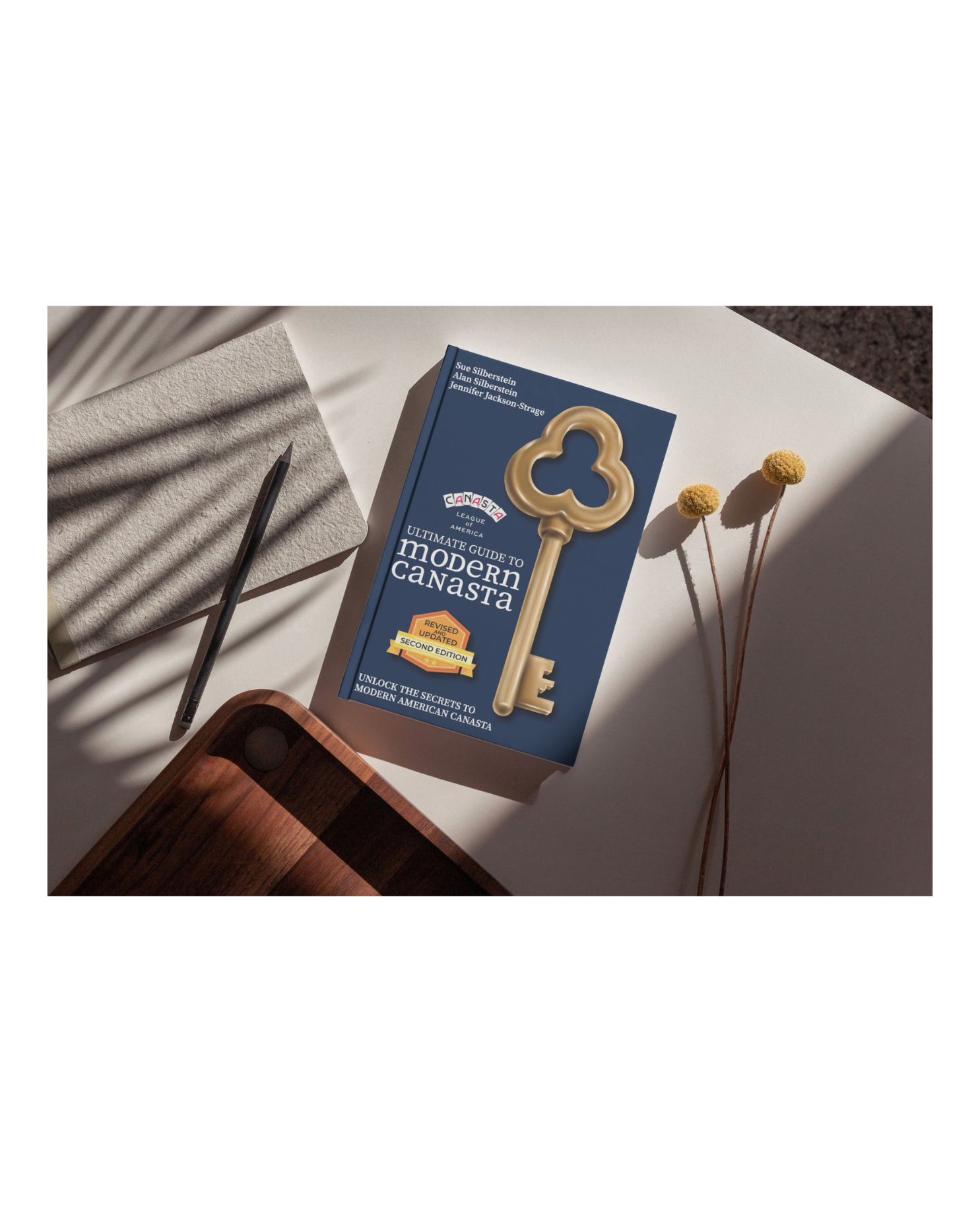
Want to learn more about all the rules?
Get your copy of the Ultimate Guide to Modern Canasta now.